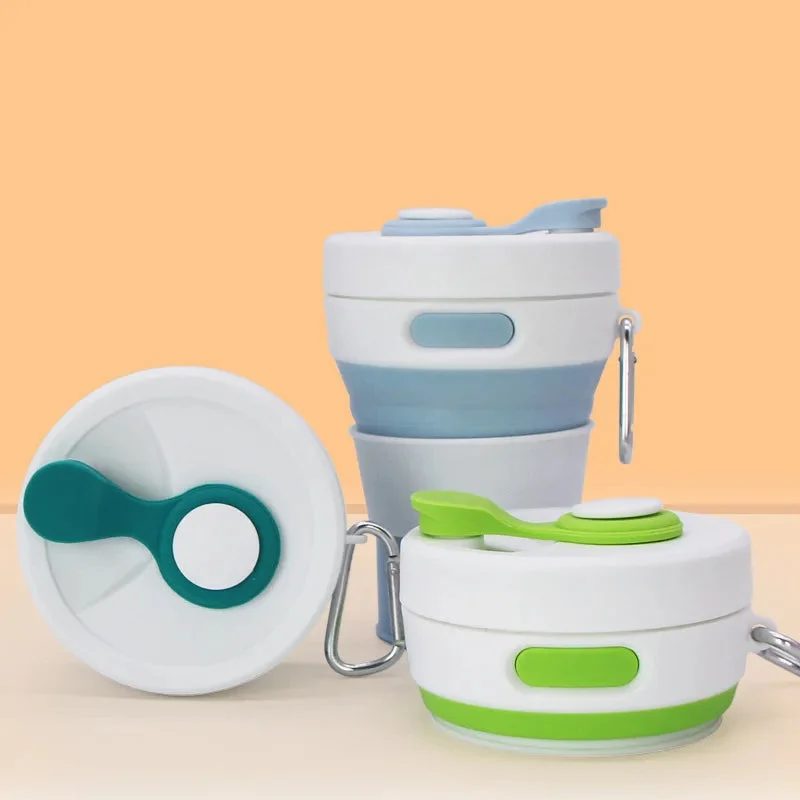
Why Hot Tea Tastes Dull in Silicone Travel Cups
Silicone absorbs volatile tea aromatics and traps old dish soap, ruining delicate flavors. Here is the science behind the taste and how to clean it.
 Coffee & Tea 8 min read
In this story
- Why does your tea taste dull, flat, or soapy?
- What happens chemically between hot tea and silicone?
- Which teas suffer the most in silicone drinkware?
- How do you remove the bad taste from a silicone mug?
- How does silicone compare to other mug materials for tea?
- Can you prevent your silicone mug from smelling bad?
- When should you retire a silicone cup?
Tea tastes weird in a silicone mug because food-grade silicone absorbs volatile aroma compounds and traps scented dish soap oils. The material literally strips the delicate top notes from your hot brew while leaching old odors back into the liquid. If your tea tastes like rubber, perfume, or cardboard, the silicone matrix is interfering with the chemistry of your drink.
Key takeaways
- Food-grade silicone contains a microscopic polymer network that traps non-polar aroma molecules like tea terpenes.
- Commercial dishwasher detergents and scented hand soaps cling to silicone oils, migrating into boiling water later.
- Delicate green, white, and floral teas suffer the most, losing their flavor within five minutes of pouring.
- You can reset a silicone cup by baking the bare silicone part in an oven at 250 degrees Fahrenheit for one hour.
Why does your tea taste dull, flat, or soapy?
Your tea tastes flat because human flavor perception relies heavily on smell, and silicone suppresses tea aromas. When you drink from a cup, volatile organic compounds evaporate from the liquid and reach your olfactory receptors through the back of your throat. Silicone actively binds to hydrophobic molecules, which includes the aromatic oils in tea leaves like linalool and geraniol.
Instead of rising into your nose, those flavor compounds stick to the cup walls. The result is a cup of tea that tastes like hot, bitter water without any sweetness, fruitiness, or floral depth.
The soapy taste comes from the opposite problem: release. Silicone drinkware readily absorbs synthetic fragrances, rinse aids, and surfactant oils from dish soaps. If you wash your travel mug in a standard home dishwasher, the porous polymer matrix holds onto those chemical perfumes. When you pour water heated to 200 degrees Fahrenheit into the mug, the heat expands the silicone pores and leaches those trapped wash oils directly into your beverage. For more on how dishwashers degrade drinkware materials, read why dishwasher detergent fades custom mug prints.
What happens chemically between hot tea and silicone?
Food-grade silicone (polydimethylsiloxane) is an inorganic polymer backbone of silicon and oxygen with organic methyl side groups. This structure gives silicone its flexibility and heat tolerance, but it also creates an open molecular matrix with a high affinity for non-polar organic molecules.
According to material standards documented by the U.S. Food and Drug Administration, food-contact silicone must withstand high temperatures without decomposing. While it is stable up to 400 degrees Fahrenheit and will not melt in your tea, it acts like a sponge for microscopic volatile oils.
When you brew tea, you extract water-soluble polyphenols (tannins) along with essential oils. Tannins stay in the water, providing astringency and bitterness. The essential oils provide the flavor character. Because the silicone walls absorb these essential oils, you are left drinking mostly extracted tannins. That is why tea in a silicone cup often tastes aggressively bitter or completely cardboard-like.
If you bought a compact travel cup, you can read our breakdown on whether a collapsible pocket mug actually holds up under daily commute conditions.
Which teas suffer the most in silicone drinkware?
Delicate, unoxidized teas lose almost all their defining characteristics in silicone, while heavily roasted drinks fare slightly better. The lighter the tea profile, the more dramatic the flavor loss will be.
| Tea Variety | Typical Brew Temp | What Happens in Silicone | Severity of Flavor Loss |
|---|---|---|---|
| Green Tea (Sencha, Dragonwell) | 160 to 175 F | Fresh grassy and sweet marine notes disappear; tastes vegetal and bitter | Extreme |
| White Tea (Silver Needle) | 175 to 185 F | Subtle melon and honey notes vanish completely; tastes like plain hot water | Extreme |
| Jasmine & Scented Teas | 175 to 190 F | Floral aromatics absorb into the silicone wall within two minutes | High |
| Light Oolong | 185 to 195 F | Loses stone-fruit sweetness and floral finish | High |
| Black Tea (Assam, English Breakfast) | 200 to 212 F | Loses malty aroma; soapy background notes become obvious over the heavy tannins | Moderate |
| Spiced Chai | 205 to 212 F | Heavy spices fight off the silicone taste, but clove and cardamom will permanently flavor the mug | Low |
If you are a fan of light, premium leaves, silicone is simply the wrong material. For sensitive palates, browse our guide to 9 clever novelty cups and warmers for fussy drinkers to find materials that preserve delicate notes.
How do you remove the bad taste from a silicone mug?
You can remove trapped odors and soap residues by using heat to volatilize the absorbed oils, or by soaking the mug in an acid bath. Do not use scented soap to clean a smelly silicone mug, as that only adds another layer of residue.
Follow these numbered steps to bake out the smell:
- Disassemble the mug completely. Remove any rigid plastic collars, lids, sliding tabs, or metal bands. Only 100 percent silicone can go into the oven.
- Preheat your kitchen oven to 250 degrees Fahrenheit (120 degrees Celsius). Do not use a higher heat setting, as you want to gently gas out the trapped oils without degrading any color pigments.
- Place the bare silicone cup upright on a clean, unscented baking sheet lined with parchment paper.
- Bake for 60 minutes. As the silicone warms, the trapped volatile compounds will evaporate into the air.
- Turn off the oven and let the cup cool to room temperature. Sniff the interior. If any soap or stale tea odor remains, return it to the oven for another 30 minutes.
- Wash the cooled cup with plain hot water and unscented baking soda, then dry thoroughly.
If your mug has non-removable plastic parts that prevent baking, use an acid soak instead. Fill the mug with a 50/50 mixture of boiling water and plain white distilled vinegar. Let it sit for four hours, empty it, and then scrub the interior with a paste made from baking soda and warm water.
How does silicone compare to other mug materials for tea?
Silicone trades flavor neutrality for portability and unbreakable drop resistance. Every material comes with a distinct trade-off when brewing specialty drinks.
| Material | Odor Retention | Thermal Retention | Impact Durability | Best Use Case |
|---|---|---|---|---|
| Glazed Ceramic | Zero | Moderate | Low (shatters) | Daily home brewing; absolute flavor purity |
| Borosilicate Glass | Zero | Low to Moderate | Moderate | Delicate green, white, and flowering teas |
| Food-Grade Silicone | High | Low | Maximum (indestructible) | Backpacking, emergency pocket carry |
| 18/8 Stainless Steel | Low (can taste metallic) | High (vacuum insulated) | High (dents only) | Commuting with hearty black teas or chai |
| Porcelain | Zero | Low to Moderate | Low (chips easily) | Traditional Gongfu tea service |
The honest drawback to silicone drinkware is that it will never be truly flavor-neutral. Even when stripped completely clean, silicone possesses a subtle, intrinsic tactile and olfactory signature that interferes with hot water. If you drop your gear down granite trails, silicone is unbeatable. If you are brewing single-origin Darjeeling, it is the worst possible tool for the job.
If you prefer fun shapes that keep your morning tea tasting like actual tea, check out 4 novelty mugs and cups for your morning brew made from classic glazed ceramic.
Can you prevent your silicone mug from smelling bad?
You can prevent foul odors by changing how you wash the mug and avoiding specific drinks. Once strong odors penetrate the material, reversing the process takes work, so prevention is the best strategy.
Wash silicone drinkware only with fragrance-free dish soap. Commercial brands like Seventh Generation or unscented Castile liquid work well because they do not contain limonene, synthetic lavender, or heavy perfumes designed to stick to surfaces.
Never put silicone drinkware through a dishwasher heated dry cycle alongside greasy pans. The airborne grease droplets from dirty dishes combine with powdered detergents and bake directly onto the silicone surface during the dry phase.
Dedicate your silicone travel cup to specific drinks. Never rotate between dark roast drip coffee and green tea in the same silicone vessel. Coffee oils penetrate silicone deeply within a single use, and your next cup of hot water will carry a bitter, stale coffee back-taste regardless of how hard you scrub.
When should you retire a silicone cup?
Retire your silicone cup if it feels perpetually sticky to the touch or if a white chalky film appears that cannot be washed away with vinegar. Sticky silicone occurs when the siloxane chains begin to degrade, usually caused by exposure to oils combined with excessive ultraviolet light or harsh caustic cleaners.
Once silicone becomes sticky, the pores remain permanently open, trapping bacteria and chemical residues that no amount of boiling or baking can fix.
If you are thinking about stepping away from flexible travel drinkware and want something more traditional for your desk, consider reading our thoughts on whether magnetic teapots and wooden trays are overkill for tea. For buying unique designs that match your personality without nasty taste trade-offs, explore how to spot good novelty mugs on MaviGadget. Keep your silicone mug for the hiking trail, but keep your delicate morning leaves inside ceramic or glass.
Frequently asked questions
Why does tea taste like soap in a silicone mug?
Silicone absorbs the synthetic fragrances and surfactants found in dish soaps and dishwasher pods. When hot liquid enters the cup, it draws those trapped oils back out into your drink.
Can you put a silicone mug in the oven to remove smells?
Yes, you can bake pure, food-grade silicone at 250 degrees Fahrenheit (about 120 degrees Celsius) for 60 minutes to drive off absorbed volatile compounds. You must remove all plastic lids, sleeves, or metal rings before doing this.
Does silicone ruin the taste of black tea as well as green tea?
Silicone ruins both, but delicate green and white teas suffer the most because their subtle aroma compounds get absorbed quickly. Robust black teas will still taste flat and dull because silicone grabs the aromatic terpenes that give tea its complexity.
Is silicone toxic when it makes tea taste bad?
No, bad taste from food-grade silicone is caused by absorbed flavor compounds or dishwasher oils, not toxic leaching. However, cheap silicone cured with low-grade peroxides can emit a distinct chemical odor when exposed to boiling water.